
Regular asana practice can be a simple, accessible and practical way in managing diabetes. It requires no special place; you can practice them at home based on your ability; at your own pace. Regular practice keeps muscles active and supports metabolism, burn calories and helps maintain a healthy diet. Practise hatha asanas to strengthen the body’s natural balance and reduce dependence on pills. However, they should be practised as a supportive measure alongside, not as a replacement for, prescribed diabetes treatment.
Asanas combine movement with breath, awareness, and mental stability, making them a holistic practice beyond ordinary exercise. Regular asana practice supports healthy blood circulation, helps manage body weight, and promotes better overall metabolic health. A balanced yogic diet and disciplined lifestyle can help many people with diabetes manage blood-sugar levels naturally, steadily, and with greater ease.
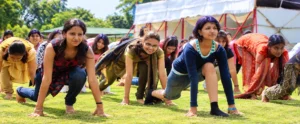
Now the question arises: when and where should you practice asanas? Asanas can be practiced at home, in a park or any suitable open space; simply choose a time and place and stay consistent. Early morning is often a suitable time for practice, when the body is rested after seven to eight hours of sleep and the surroundings are generally fresh and quiet. With regular practice, asanas can support healthy blood-sugar levels and weight management.
Hectic routine of life is aggravating the existing problem of blood sugar. Mental stress, anxiety and intake of chemicals via food are contributory factors. The foremost thing is to change your mind and give special treatment to peace and harmony in life. Hatha yoga and meditation are excellent way to rejuvenate and relax mind, body and senses. Soothing asanas not only reduce blood sugar but helps in curing other complications. It boosts immunity power of body.
Hatha Yoga Asanas
The hatha yoga asanas, helping you feel and understand every movement, posture and breath. With proper alignment and adjustment, even balancing asanas can improve body control, stability and awareness. Regular practice of yoga teacher training can support a more balanced and less stressful life. In a traditional approach to diabetes manage, asanas become a practical way to keep the body active, balanced and connected with nature.
Hatha yoga therapeutic asanas can support diabetes management by keeping muscles active, improving glucose use and insulin sensitivity, and supporting healthy weight. Their controlled movements, breathing, relaxation, and body awareness may also reduce stress and improve overall metabolic balance. Practised regularly, therapeutic Hatha Yoga can become a simple, practical complement to diabetes care.
SURYA-NAMASKAR
Surya Namaskara, or Sun Salutation, is a sequence of 12 hatha yoga postures, traditionally practised with a specific seed mantra for each posture. Practise it on an empty stomach, preferably in the early morning, when the mind is fresh and the surroundings are calm. Perform the movements slowly, smoothly, and rhythmically, coordinating them with the breath rather than forcing the body.
Its regular practice keeps the whole body active and may support blood-sugar regulation. It may help the body use glucose for energy and improving insulin sensitivity. It also supports healthy blood circulation, oxygen supply, digestion, and pancreatic function. By reducing stress and promoting healthy weight management, it may indirectly support diabetes control. It should complement, not replace, prescribed diabetes treatment.
BHUJANGASANA
Lie flat on your abdomen with your legs extended and feet together or comfortably apart. Place your palms on the floor beside the chest, close to the armpits, with elbows bent and tucked close to the body. Inhale slowly as you lift your head, chest, and upper abdomen, using the back muscles and gently pressing through the palms. Lift the chest forward and upward, gently draws the shoulders back, and look slightly upward without compressing the neck. Hold the final position while breathing normally. Exhale slowly as you return to the starting position.
This posture creates a tingling feeling around the abdominal region, including the area of the pancreas, which may support healthy metabolic function. It can improve body stability, strength, and energy, helping reduce feelings of fatigue. Regular practice may therefore complement a healthy lifestyle and support better blood-sugar management in people with diabetes. It should be used as a supportive practice, not as a treatment of diabetes.
MANDUKASANA
This pose is excellent to control blood sugar. Sit in thunderbolt pose on your kneel. Make a fist with thumb tucked well. Place your fist against abdomen covering each side of navel. Feel the pressure of fist near abdomen. Bend forward gently and press your navel with fists. Hold this position at least for 10 seconds with holding your breath. Inhale and return to original position. Keep your back straight. Repeat this asana as per your strength and stamina of body.
The controlled movement of frog pose can help relax the body, reduce stress and ease fatigue. The abdominal stimulation may also support healthy pancreatic function and metabolism. With regular practice, along with a balanced diet, controlled lifestyle and prescribed treatment, frog pose may contribute to better blood-sugar management. It should be viewed as a supportive yogic practice, not a replacement for diabetes medication.
VAJRASANA
Sit on the floor with folded legs from kneel. Your back, shoulder and neck should be upright. Make comfortable space in-between heels & bring both toes together. Place gently your buttocks on the inner side of folded legs. With complete relaxation, place your hands on each side of the knees. Your palms should be placed towards the floor. Close your eyes and relax the whole body and mind. This is the only asana which you can practice immediately after meal.
Vajrasana, can help diabetic patient by promoting better digestion and encouraging robust metabolic function. Traditional hatha yoga teaches that sitting in this pose after meals may support comfortable digestion and help maintain healthy blood sugar levels. It also promotes relaxation and body awareness, which may help manage stress. Balanced diet, active lifestyle, and prescribed treatment, may support better blood-sugar management.
PASCHIMOTTANASANA
Sit on the floor with lengthening legs with feet together. Put your hands on the knees. This is the basic position of back stretching pose. Gently move forward the upper part of the body. Bend from the hips with outstretched hands touching the top of knees. Hold the big toes with fingers and thumbs. If not possible, then you can hold heels or ankles with no jerk in the body. Put your forehead on the knees. Hold this position as long as possible. Inhale in initial position and exhale as bend forward. Go for 4-5 rounds if learning in a reputed yoga school.
This pose strengthens the abdominal muscles, supports better core stability. It gently stimulates the abdominal organs, including the liver and pancreas, which may support their normal functions. It is useful for digestive activity and may support the body’s natural processes of eliminating metabolic waste. With regular practice, it may also support healthy blood sugar regulation as part of an overall healthy lifestyle.
VYAGHRASANA
It is called tiger pose or vyaghrasana because the posture and movement resemble a tiger stretching its body and extending its limbs. Start on your hands and knees. Keep your hands under your shoulders and knees under your hips. Inhale and lift one leg backward while gently raising your head. Exhale and bring the knee toward your chest. Repeat slowly with the other leg, coordinating movement with your breath.
It helps strengthen the abdominal and back muscles while supporting overall physical activity. Its dynamic movement may help reduce excess body fat when practised regularly along with a healthy lifestyle. It stimulates the abdominal region and may support healthy digestive function. Regular practice can also contribute to better metabolic health and support healthy blood glucose levels. As part of a balanced yoga and lifestyle routine, Tiger Pose may help in the overall management of diabetes.
DHANURASANA
Lie flat on your tummy with legs and feet together. Bend the knees and hold ankles with hands. Stretch your body like a bow with knees and thighs firmly on the ground. Position your chins with resting on the floor. Look straight ahead. Hold the final position for 10-12 seconds with head tilted back. Inhale in resting position, and exhale while releasing this pose. Retain the breath while raising your body. Practice 3-5 rounds initially, if you are yoga beginner.
It strengthens the abdominal region and stimulates the organs around the abdomen. It may support healthy pancreatic function and insulin regulation. The posture can also improve digestion and support metabolic activity. With regular practice, along with a healthy diet and lifestyle, it may support overall diabetes management and help reduce complications associated with poor metabolic health.
JANUSIRSHANA
Sit on the floor with outstretched legs. Slowly bend left leg touching the floor. The sole of foot must touch right thigh. With straight back, place both hands on top of right knee. Move forward with hands sliding and hold the right foot. You can hold big toe with index finger, middle finger and thumb. Touch the knee with the forehead. Hold final position as long as possible.
This pose gently stretches the back and abdominal region while relaxing the nervous system. It may help reduce stress and anxiety, which can support overall well-being. Head to knee pose also stimulates the abdominal area and may support healthy digestive and metabolic function. Regular practice may support the normal function of the liver, pancreas and promote overall cellular health.
Asanas should complement, not replace, medical treatment for diabetes. Regular practice may support organ health, improve blood circulation and promote metabolic balance. By combining movement, breath, and awareness, asanas can also contribute to better physical and mental well-being. Asana can be practiced anywhere, anytime, making it a simple practice.

Asanas for Diabetes
Regular asana practice can be a simple, accessible and practical way in managing diabetes. It requires no special place; you can practice them at home

What is Breath Meditation?
Of all the objects available for meditation; breath is most accessible object because it is always with you.

Life is a Celebration: Discover Your Inner Strength
Life is a vast field of opportunity to prove yourself, pursue your passion, and express the beauty of nature through words, painting, or sculpture.

What Lies Beyond Death? | The Ultimate Freedom of Form
The understanding of death is the first step toward discovering what lies beyond death. Physical death only changes your form