
Imagine trying to chop vegetables with a rusted knife. Instead of making smooth cuts, the knife requires more force, works slowly, and also not give desired results. Similarly, when the digestive and excretory systems become sluggish due to physical inactivity, poor dietary habits, chronic stress, or inadequate sleep or any other medical reason, they lose their efficiency in digesting food and eliminating waste.
Yogic asanas relieves the root causes of constipation rather than merely relieving its symptoms. Regular practice helps counteract an inactive lifestyle, strengthens the digestive and excretory systems, enhances gastrointestinal motility, reduces stress and boosts sound sleep. Forward-bending and backward bending asanas of hatha yoga provide a holistic and sustainable approach to the prevention and management of chronic constipation.
The brain–gut axis is the two-way communication network between the brain and the digestive system. Through nerves, hormones and immune signals, the brain regulates digestion, intestinal movement and bowel function, while the gut sends information back to the brain about its condition. Medical research has shown that chronic stress and psychological distress can contribute to constipation by disrupting the brain–gut axis and slowing normal bowel function.
During sympathetic activation, the body temporarily shifts its resources toward ‘survival’ rather than ‘digestion’. Regular asana lower stress hormones (cortisol). This may decrease excessive sympathetic ("fight-or-flight") activity and enhances parasympathetic ("rest-and-digest") function, allowing normal digestive processes to resume. Hatha asanas promotes healthy gastrointestinal motility, improves blood circulation and promotes secretion of digestive juices.
CONSCIOUS EATING
Digestion actually begins in the mouth. Eating is the first step in digestion and waste elimination. Even the healthiest and most nutritious meal may not be ‘digested’ properly if it is eaten hurriedly or under stress. Hatha yoga asanas cultivate physical stability, mental calmness and emotional balance, encouraging ‘conscious’ eating. When food is eaten with full awareness, the body naturally produces more saliva and chewing becomes more thorough.
An elephant rarely rushes while eating. It calmly selects its food, chews it thoroughly and spends hours feeding without ‘haste’. Proper chewing reduces the workload on the stomach and intestines, improves nutrient absorption and also supports smooth digestion and regular bowel movements. Hatha yoga encourages eating with awareness and calmness. This simple habit promotes regular bowel movements, thereby reducing the risk of constipation.
Hatha yoga asanas support the smooth elimination of digested food and help relieve chronic digestive disorders associated with constipation. Wind-relieving poses provide relief from excessive intestinal gas that gives you discomfort. Asanas are part of basic hatha yoga training and can be practiced easily by people of all ages at any place to help relieve constipation.
Many asanas are taught during 200-hour hatha yoga teacher training course in Rishikesh. However, here we focus on a selected group of asanas that are commonly practiced under the guidance of a certified yoga instructor. These postures are taught with proper alignment, safe adjustments and individual adaptability, enabling practitioners of different ages and fitness levels to practice safely while supporting digestive health and relieving constipation.
The six asanas for relieving constipation are listed below:
WIND-RELEASING POSE
It is also known as ‘wind-relieving pose” (pawan means wind or gas; mukta signifies release or liberation and asana for pose). This beginner level asana belongs to classical hatha yoga and also included in teacher training program and therapeutic yoga. A beginner or senior citizen can practice this as the posture is simple and low impact. However, if you have recent abdominal surgery, severe hip, knee complications or acute spinal injuries, consult doctor.
Lie on your back with straight legs and arms by your sides. Bend your right knee and gently bring it toward your chest. Hold your right shin with both hands just below the knee. Lift your head and shoulders toward your right knee. Stay for few seconds in this position. Repeat the same steps with the left leg, and then practice with both legs together if comfortable.
COBRA POSE
This is called so because it resembles a cobra snake lifting its good. It belongs to the backward-bending category of Hatha yoga asanas. It is suitable for beginners as well as experienced ones. It is suitable for beginners as well as experienced practitioners when performed correctly. Bhujangasana can be practiced at home, in a park, or well-ventilated place with a yoga mat.
PALM POSE
It is one of the simplest standing pose where “tada” means mountain. It belongs to the standing category of hatha yoga asanas and mainly practiced under basic yoga teacher training in Rishikesh. It is easy to practice for children and elders as it demands with no bending or twisting. It can be practiced anywhere such as at home, in a park or even at the workplace. It requires very little space and no special equipment.
SPINAL TWIST
It is called “Kati Chakrasana” because the waist and upper body rotate from side-to-side. It belongs to the standing asana category of hatha yoga and is suitable for beginners as well as elders, provided they do not have severe spinal injuries. Standing spinal twist can be practiced at home, in a park, at the workplace during a short break, or in any open area.
SWAYING PALM
It is a simple standing pose in classical hatha yoga teacher training. “Tiryaka” means sideways and is called so because the body stretches upward and then bend gently from side-to-side, like a tall palm tree swaying in the wind. It is comfortable for beginners as well as elders and it requires very little space, so can be practiced in a park, in an open area, or even at the workplace during s short break.
Stand upright with feet slightly apart. Straight arms and then intertwine fingers & raises over head. Bend to left side with spine upright. Hold the final position for few seconds comfortably. Hold your breath. Return to initial position and inhale. Repeat the same bend to right side with interlock fingers. This is complete one round. Practice 5-7 rounds initially.
COBRA SWAY
It is a variation of Bhujangasana in Hatha yoga. It is called Tiryaka Bhujangasana because the body takes the shape of a cobra while the upper body twists gently to one side. It belongs to the backward-bending and spinal-twisting category of Hatha yoga asanas and is suitable for beginners as well as experienced practitioners. Most healthy adults and many senior citizens can practice it gently, provided they do not have severe spinal disorders.
Lie down on your stomach. Straighten your legs with toes tucked under the heels raised. Inhale & straighten your arms to lift upper portion of the trunk. Pubic bone should remain in floor contact. Twist head & upper trunk and gaze over the left shoulder. Don’t strains your body for retaining twist pose. Hold this pose for few seconds as you feel convenience. Lower the body and return to original position with an exhalation. This is one round. Practice for 3-5 rounds.
Hatha yoga asanas to relieve constipation can be practiced almost anywhere with little space and no special equipment. Understanding the root causes of constipation and making positive changes in your daily habits—such as eating consciously, staying physically active, managing stress, sleeping well, and practicing yoga consistently—will help you achieve better results in less time and maintain long-term digestive health.
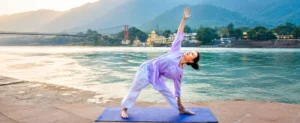

Best Asanas for Constipation and Better Digestion
Regular asanas relieve constipation, improves digestive health, restores bowel function and improves the body’s natural elimination process.


How to Become a Registered Yoga Teacher?
There are diverse paths to qualify as a yoga teacher, choose the one that aligns with your journey and purpose.

10 Benefits of Daily Yoga
When you begin a daily yoga practice with keenness and commitment, every aspect of your life gradually comes into ‘harmony.’
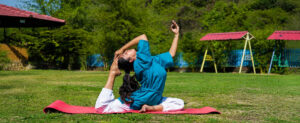
Yoga for Constipation
Constipation is a common digestive disorder marked by dry, hard stools, difficult bowel movements, and a feeling of incomplete evacuation due to the slow passage