Everyone breathes, just as everyone has legs. But having legs is not the same as walking, and breathing is not the same as practicing pranayama. Walking requires conscious movement, while pranayama requires conscious breathing. Breath is natural; pranayama is a cultivated skill. As awareness deepens through regular practice, breathing gradually becomes a doorway to meditation and inner transformation.
Normal breathing happens automatically to keep you alive, often without your awareness. Conscious breathing begins when you deliberately observe and regulate each inhalation and exhalation. As your awareness remains continuously with the breath, the mind gradually stops wandering and settles into the present moment. It is this union of breath and awareness that transforms conscious breathing into “meditation”.
EXPANSION OF PRANA
Breathing is a spontaneous process that requires no conscious effort to keep you alive. Even in the deepest sleep or an unconscious state, breathing goes on effortlessly. When awareness is added to the incoming and outgoing breath, breathing transforms into pranayama. The continuous flow of a river carries immense power. By regulating its flow, that energy can be converted into electricity.
Likewise, conscious regulation and retention of “prana” in breathing technique help awaken and expand the body’s vital energy, known as “prana”. The word “pranayama” has its roots in Sanskrit words “prana” meaning breath within the breath and “ayama” meaning expansion or extension. It is the yogic practice of expanding and regulating this vital energy through the breath. When the breath is slow, calm and deep; the restless mind gradually quietens and develops greater stability.
A rhythmic breath naturally quietens the mind, while an agitated breath reflects inner unrest. This intimate relationship between mind and breath makes pranayama technique an essential preparation for meditation. Conscious breath in hatha yoga teacher training also promotes longevity. It supplies fresh oxygen to every cell while facilitating removal of carbon dioxide and other harmful gases.
MIND-BODY HARMONY
Hatha yoga explores how conscious breathing can transform both the body and mind. A vacuum cleaner clears a blocked passage through the power of suction. Similarly, pranayama works from within. As the breath is gently retained, the “prana” (vital energy) becomes more active and begins to flow with deep intensity. It helps dissolving subtle energy blockages allowing the body and the mind to work in harmony.
Modern science now recognizes practice of pranayama an effective approach for improving both physical and mental health. Breathing directly affects the autonomic nervous system, which controls heart rate, blood pressure, digestion and the body ‘s natural stress management system. As a result, stress hormones like cortisol decrease, while the body and mind become calmer, relaxed and emotionally balanced.
Practice of pranayama under 200-hour yoga teacher training in Rishikesh improves lung capacity and also strengthen oxygen exchange. Breath kriyas encourages deeper ventilation of the lungs, allowing quality oxygen-rich air delivery to body tissues while maintaining an optimal balance of oxygen and carbon dioxide which is essential for efficient cellular metabolism and healthy brain function.
Regular pranayama practices support heart functioning, controls blood pressure, boosts immunity and also ensures quality sleep. Many pranayama techniques like bhastrika (bellows-breath), anulom-vilom (alternate nostril breathing) and bhramari (humming-bee breath) calms the brain, controls stress and anxiety and sharpens your memory. Daily pranayama practice at certified Satbodh yoga school can support physical and psychological well-being.
TURNING INWARDS
Most people live only on the circumference of life. Their attention remains occupied with thoughts, emotions, worldly experiences, and social identity. This outward focus strengthens the ego and deepens the contracted feeling of "I," "me," and "mine." Higher pranayama practices gradually shift your awareness from the outer world to your inner centre of consciousness. In hatha yoga teacher training, this inner centre is associated with the navel, while in Japanese Zen it is known as the “Hara” (the seat of balance).
With regular Shodhan Kriya at Satbodh yoga school, the breath becomes slower, deeper, and subtle. As awareness follows the breath inward, identification with the ego gradually weakens. Attachments, fears, and self-imposed limitations begin to lose their grip, creating a sense of inner freedom and lightness. As consciousness settles into its centre, the practitioner experiences a soulful state of silence, presence, and spaciousness.
The Vijnanabhairava reveals that when the breath halts at the tail end of inhalation or exhalation, vital energy (prana) begins to pulsate more intensely, opening a doorway to eternity. If a practitioner remains deeply aware in this inner silent space, the possibility of realizing one’s essential divine nature arises. All it depends on the intensity of practice, unwavering devotion and the grace dawns along the spiritual journey.
INNER TRANSFORMATION
Breathing occurs naturally at the physical level, but it can be controlled or modified at the mental level. When awareness and breathing move in union, it becomes breath meditation. This is a widely used breath technique to control the wandering tendency of the mind and bring it into the present moment. It leaves no room for the mind to think about the past or dream of the future. Therefore, this pranayama is a powerful tool for inner transformation.
Breath is the bridge between your outer and inner worlds. Your body belongs to the outer world, while your mind belongs to the inner world. One end of the breath moves inward, reaching the centre of your consciousness through the respiratory passage, while the other extends outward beyond the tip of the nose. By consciously changing the rhythm of your breathing, you can influence both your body and your mind, creating harmony between the outer and inner aspects of your being.
COMPLETE STILLNESS
Most yoga practitioner remain aware only of the movement of the breath, but meditation begins when awareness reaches this silent centre. As you gently follow the breath without forcing or controlling it, you begin to experience the momentarily halt where inhalation naturally turns into exhalation, and exhalation into inhalation. This point is not merely a physical pause; it is a moment of complete stillness.
Just as every circle has a centre, every cycle of the breath also has a centre. There are several points in the breathing cycle where you can focus your awareness. It may be the meeting point of inhalation and exhalation, the silent gap between two breaths, the point where the breath naturally changes direction, or the subtle pulsation of “prana” during the spontaneous pause in breathing.
INNER PRACTICE
The mind and the breath are deeply connected as hatha yoga reveals. When the mind is agitated, breathing becomes rapid and irregular. Likewise, when the breath becomes slow, deep and balanced, the flow of thoughts also begins to slow down. In yoga teacher training course at Satbodh Foundation, pranayama is practiced before meditation as it prepares body, breath and mind for inward journey.
The classical Yoga Sutras of Patanjali place pranayama after asana and before pratyahara (withdrawal of the senses), dharana (concentration), and dhyana (meditation). This sequence is followed in all YTT courses in recognition with Yoga Alliance, USA. After the body becomes light, balanced and steady through asana, pranayama purifies the nervous system, balances the flow of prana, and prepares the mind to turn inward.
A distracted mind finds it difficult to meditate, but a balanced breath naturally leads to inner stillness. Pranayama also reduces physical restlessness and emotional disturbances. As awareness remains on the breath, attention gradually moves away from external distractions and settles in the present moment. This process develops concentration, making meditation effortless rather than a struggle.
Meditation is not something that you need to execute to attain it. It naturally happens when the body is relaxed, the breath is balanced, and the mind becomes quiet. Pranayama creates these conditions. Experienced yoga masters recommend beginning every meditation session with a few minutes of pranayama. When the breath becomes calm, awareness naturally deepens. In this state, meditation is no longer an effort to control the mind but a spontaneous experience of silence, clarity, and inner peace.
Breathing is silent, natural and continuous. It constantly reflects your inner state, changing with every emotion, thought and feeling. By simply refining your awareness of the breath, this ordinary biological process transforms into “pranayama”. As awareness deepens, the breath becomes a bridge to inner stillness, naturally opening the doorway to meditation.


What is Pranayama?
Everyone breathes, just as everyone has legs. But having legs is not the same as walking, and breathing is not the same as practicing pranayama.

What is AUM?
Sound is present everywhere: in the rhythm of your breath and heartbeat; and in the movement of the sea, air and earth.
Asanas for Diabetes
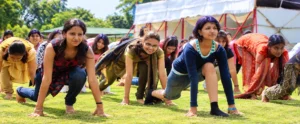
Regular asana practice can be a simple, accessible and practical way in managing diabetes. It requires no special place; you can practice them at home
What is Breath Meditation?
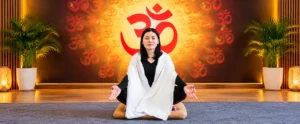
Of all the objects available for meditation; breath is most accessible object because it is always with you.