
Everyone sits in day-to-day life, whether they are familiar with yogic asanas or not. However, merely sitting in any way does not make it an asana. A sitting posture becomes an asana when the body is balanced, steady and comfortable, with the neck, spine and shoulders properly aligned, as taught in a certified yoga teacher training course. Here, the body remains stable without needless movement, yet free from stiffness or strain.
You may be surprised to know that many hatha yoga asanas are inspired by the natural resting positions and movements of animals, birds and even trees. These postures were minutely observed by ancient seekers and adapted into yogic practice. However, the resting positions of animals are instinctive and meant to fulfil their natural needs, whereas an asana is practiced with mindful awareness, balanced breathing and a specific purpose.
Sitting with proper yogic alignment of the spine and neck enables you to remain seated for a longer duration without experiencing back, shoulder or neck discomfort. Whether you are a research scholar or a corporate professional, mastering the correct sitting posture enhances your efficiency, allowing you to work with greater ease and joy.
RELAXED BODY
Have you ever observed a giant banyan tree standing tall and relaxed through every season? When a storm strikes, it sways from side to side, but as the storm subsides, it naturally regains its balance. Similarly, sitting with ease, stability and relaxation is called an asana. Its purpose is not exercise or physical display, but to establish a balanced and steady posture.Patanjali defines asana as sthira sukham asanam---a posture that is steady and comfortable. When the body is uncomfortable; mind remains occupied by physical discomfort. Only when the body becomes relaxed, the breath remains balanced and the posture is stable does the mind gradually stop wandering and move towards the centre of consciousness.
You cannot walk long distances wearing pinching shoes that constantly hurt your feet. Similarly, you cannot turn your awareness inward if you are unable to sit comfortably in an asana for an extended period. You do not need to master every asana; attaining mastery in one stable and comfortable sitting asana is sufficient to serve the purpose of yoga.
Once you attain stability in simple sitting asanas, you become ready to practice higher Hatha Yoga asanas, including backward bends, forward bends and twisting postures taught in a 200-Hour yoga teacher training course. These asanas further prepare the body and mind for pranayama and meditation practices.
Psychological and Spiritual Values of Asana
Tension, anxiety and constant work pressure have become common parts of modern life. Practicing asanas for just a few minutes every day helps calm the stressed nervous system and refresh the body, breath and mind. Regular practice also brings mental balance, making you calmer, more patient and better able to handle the challenges of daily life.
With a stable mind and controlled emotions, you gradually develop better control over your inner world and learn to remain calm even in challenging and unfavourable situations. When the armpits remain open and spacious during asana practice, you are less likely to feel tense or emotionally overwhelmed.
Spirituality means becoming less identified with the body and more aware of your inner self. Through regular asana practice, the body, breath and mind gradually come into harmony, allowing your awareness to move inward. While remaining aware of the ever-changing outer world, you also stay connected to the silent witnessing consciousness within.
INNER BENEFITS
The physical value of asanas is not limited to improving outer look or bodily fitness. It helps maintain correct body alignment, prevent many common physical problems and develop a body that supports an active, pain-free and balanced life. One of the most important aspects of asana practice is alignment. It allows spine, neck, shoulders, hips and knees to function efficiently. It defines posture, reduces pressure on the joints and prevents common problems such as backache, neck pain, shoulder stiffness and poor posture.
Not everyone has the same level of physical fitness or flexibility to practice asanas. Therefore, Satbodh Foundation has redesigned the practice with modern alignment and adjustment techniques while preserving the essence of traditional asanas. They respect individual limitations and allow him to gradually improve their strength and flexibility, balance and overall physical health.
If you overlook the physical values of yoga, it becomes difficult to progress towards higher states of awareness. A healthy, balanced and strong body is the foundation of every yogic practice. To develop this basic needs, Hatha Yoga asanas, including Surya Namaskar, are practiced regularly. To gain their maximum physical benefits, these asanas should be performed with proper alignment and adjustments under the guidance of a certified Yoga Teacher Training Course in Rishikesh.
Regular practice of properly aligned and well-adjusted asanas enhances joint mobility, strengthens muscles, improves spinal health and increases flexibility. It also supports healthy digestion, better circulation, balanced breathing and improved body coordination. As the body becomes stronger and more flexible, everyday activities become easier and more comfortable.
ENDURING VALUES
Time has changed, and the ancient era has given way to the modern world, yet the relevance of yoga remains as timeless and enduring as ever. The reason for practicing yogic asanas may differ from person to person, but anyone who practices them sincerely under a Hatha Yoga Teacher Training Course is sure to experience their benefits.
For thousands of years, asanas have been practiced in ashrams and on the banks of rivers by ascetics and spiritual seekers. Although many new styles of yogic asanas have emerged over the past three decades, often combined with modern wellness approaches, their traditional purpose remains unchanged—to cultivate a healthy body, a calm mind and a balanced life.
Modern lifestyles and office-culture have changed dramatically. Prolonged sitting, screen exposure, physical inactivity and constant work pressure have contributed to back pain, neck stiffness, obesity, poor posture, stress and disturbed sleep. Regular Hatha Yoga asana practice may help correct posture, improve flexibility, strengthen muscles, support healthy joints and enhance overall physical fitness.
Thus, the ancient science of asanas is as useful today as it was in ancient times. While the principles of yoga have remained the same, they fit well into today's lifestyle. Whether your goal is better health, stress relief, improved work performance or spiritual growth, regular asana practice offers a simple, natural and effective way to live a healthier, happier and more balanced life.
FIRST YOGIC STEP
Awareness in asanas means being fully conscious of the body's movements, posture, alignment, breathing and sensations while practicing. It is awareness at the physical level, where the body and senses become the first tools for developing inner awareness. It is the core value of every asana. The purpose of practicing asanas is not only to expand or contract the body but also to train the mind to remain active and in forefront in every movement, posture and breath. This is the first and most practical step in expanding awareness.
The body is the exterior existence and is the easiest place to develop awareness because the senses and the mind naturally assist us. If a practitioner is unable to remain aware while practicing a physical posture, it becomes even more difficult to observe subtler dimensions such as the movement of the breath, the flow of prana, the stillness after breath retention or the silent gap between two thoughts.
Asanas gradually cultivate this quality of awareness, preparing the practitioner for pranayama, meditation and deeper yogic practices. Thus, awareness in asana is essential because it builds the foundation for the entire inner journey of yoga.
The spiritual journey begins with asana, just as education begins with primary school. Asanas, the first element of traditional hatha yoga is relevant and still prevalent as teacher training programs in many ashrams, yoga schools and studios. More than physical expressions of yoga, basic to advance asana practices promotes a fit body, a balanced mind and expanded awareness. They are usually practiced with proper alignment of body, breathing balance and present state of mind, asanas prepare you for pranayama, meditation and inward journey to realize innermost nature.


Frequently Asked Questions About Yoga
Yoga is the invisible connection between your outer world and your inner self. Your thoughts, feelings and reactions to external events shape your inner world.

What is Pranayama?
Everyone breathes, just as everyone has legs. But having legs is not the same as walking, and breathing is not the same as practicing pranayama.

What is AUM?
Sound is present everywhere: in the rhythm of your breath and heartbeat; and in the movement of the sea, air and earth.
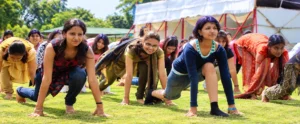
Asanas for Diabetes
Regular asana practice can be a simple, accessible and practical way in managing diabetes. It requires no special place; you can practice them at home