Yoga is the invisible connection between your outer world and your inner self. Your thoughts, feelings and reactions to external events shape your inner world. When you are calm, content and emotionally balanced within, the world around you appears more peaceful and harmonious. Yoga helps create a healthy balance between these two worlds, bringing harmony, awareness and positive transformation to life.
Yoga is a natural way of living a peaceful and contended life that promotes universal brotherhood and unity with no differences. Patanjali says, “Yoga is the cessation of the all the fluctuations of the mind (vrittis).” He compiled the teachings of yoga into the Yoga Sutras, a collection of 199 sutras designed to harmonize the body, mind, and awareness.
India is widely regarded as the birthplace of yoga. Some spiritual scholars also consider the ancient text Vijnana Bhairava Tantra from the Agama tradition as a foundational source of many meditation and yoga practices found across traditions worldwide, including Zen meditation, Vipassana, Ashtanga Yoga, Hatha Yoga and Kundalini Yoga.
Yama and niyama of ashtanga yoga are replaced by six purification techniques known as Shatkarma under hatha yoga teacher training course in Rishikesh. The first element is asanas where one practices simple stretching, relaxing, rotating and expanding various parts of body to release tension in muscles and joints. The traditional hatha yoga begins directly from asanas practice that allows you to sit for an extended period without movement in any part of the body. It is followed by pranayama practices, bandha & mudra practices, and then culminating in hatha yoga meditation techniques.
There are many types of yoga like ashtanga yoga, hatha yoga, kundalini yoga etc. If you are practicing solely for elevating your consciousness to higher dimension, then ashtanga yoga under yoga teacher training course is mainly taught. Hatha yoga is therapeutic yoga in nature by default where many hatha yoga asanas are practiced to control common diseases including physical discomfort. Hatha yoga pranayama techniques balances the outgoing and incoming breath and helps in controlling excessive thoughts. If you love your work or wants to invite divinity at your workplace, then karma yoga is finest choice. Kundalini yoga helps to stir your sleeping kundalini Shakti at the base chakra and lets your consciousness level elevates to higher dimension.
The traditional yoga was mainly practiced to elevate your consciousness by turning inward. Devotion, commitment, consistency and surrender were the core elements of traditional yoga where guru-disciple relationship played crucial role in the transformation of sadhaka. Initiation (dikshsa) was vital part where guru introduces a disciple to a spiritual path.
The modern practice has lost the dignity and modesty of traditional yoga. The modern yoga is limited to outer practices only. The traditional ashrams have been replaced by luxurious studios, villa and resorts. Many yoga apps and yoga props are used to support the body. The purpose is only to gain slim & trim figure and practicing yoga for therapeutic reasons.
Yes, anyone can start practice yoga whether beginner or experienced one. Many styles, especially Hatha Yoga, are designed for those who are looking for transformation.
Beginners can opt basic hatha yoga poses where you simply rotate hands, legs and neck in clockwise and anti-clockwise direction. It removes rigidity and gradually build strength and flexibility. It’s important to listen to your body and avoid higher practices of hatha yoga asanas if body doesn’t permit. With consistent practice, progress comes naturally.
The frequency of practice depends on your goals and schedule. Beginners can start with 2–3 sessions per week, while more experienced practitioners may practice daily.
Even short sessions of 15–30 minutes can be beneficial if done consistently. Regular practice is more important than intensity or duration.
Comfort is key when practicing hatha yoga teacher training in Rishikesh. Wear breathable, stretchable clothing that allows free movement. You typically need a yoga mat, water, and possibly a towel. Avoid heavy meals before practice, and keep accessories minimal. The goal is to stay focused and comfortable throughout the session.
Yoga has both physical and spiritual aspects. While modern yoga often focuses on fitness, traditional yoga includes spiritual growth and self-awareness.
Practices like meditation and your attitude including surrender, devotion, dedication and purity are also play a key role to invite spirituality and connect you to a deeper sense of consciousness. However, you can practice yoga purely for physical and mental benefits without engaging in spirituality if you prefer.
Yes, yoga is traditionally used to manage stress and lifestyle-related conditions. It helps regulate the nervous system and reduce cortisol levels (the stress hormone).
Regular yoga practice can support the management of critical conditions like hypertension and Type 2 Diabetes by improving circulation, metabolism, and relaxation.
Some benefits, like relaxation and improved mood, can be felt immediately after a session. Physical changes such as flexibility and strength typically take a few weeks.
Long-term benefits, including mental clarity and emotional balance, develop over months of consistent practice. Yoga is a gradual process, and patience is essential.


Frequently Asked Questions About Yoga
Yoga is the invisible connection between your outer world and your inner self. Your thoughts, feelings and reactions to external events shape your inner world.

What is Pranayama?
Everyone breathes, just as everyone has legs. But having legs is not the same as walking, and breathing is not the same as practicing pranayama.

What is AUM?
Sound is present everywhere: in the rhythm of your breath and heartbeat; and in the movement of the sea, air and earth.
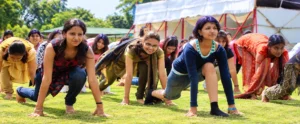
Asanas for Diabetes
Regular asana practice can be a simple, accessible and practical way in managing diabetes. It requires no special place; you can practice them at home